-
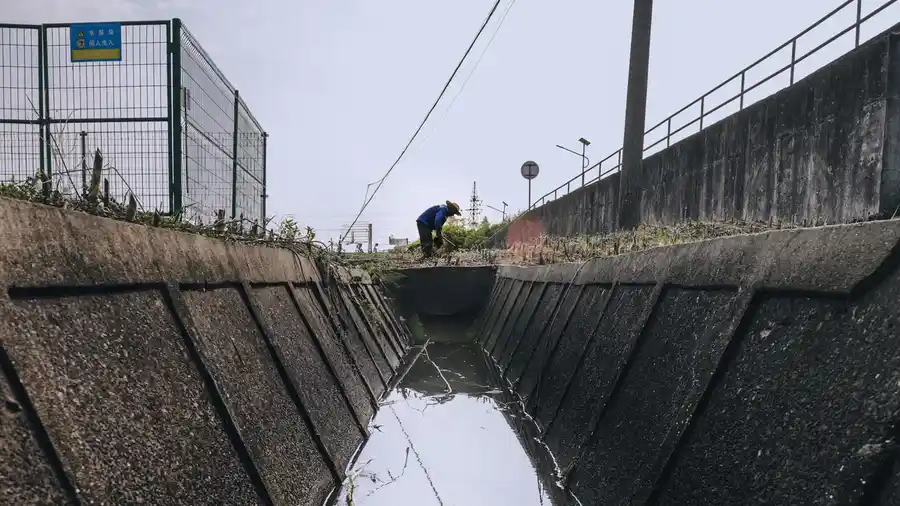
Estimate the mulchable area, subtract the open water path, and then calculate volume. A bed with a pond, drainage swale, or dry creek bed needs a…
-
If the bed still has loose, recognizable mulch and enough depth to protect the soil surface, top it off; if it has turned thin, matted, or mostly into…
-
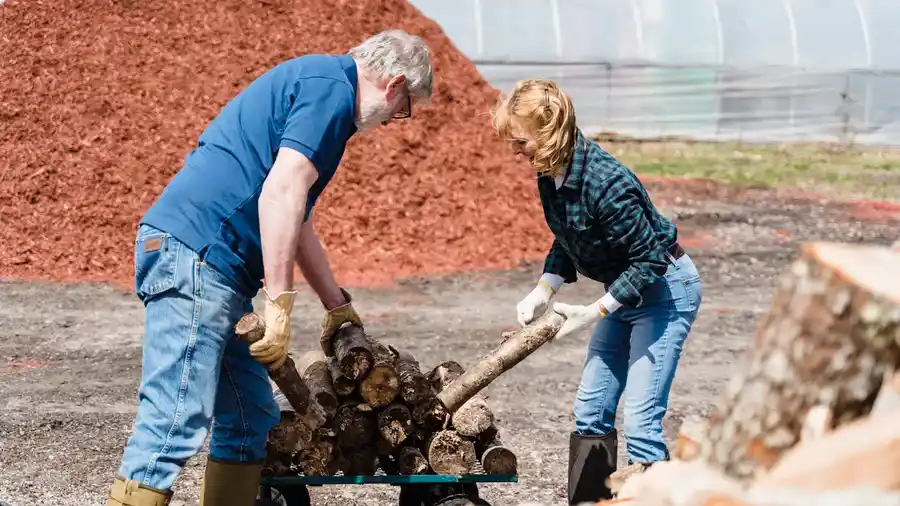
Mulch logistics, handling, and jobsite workflow — The Complete Guide starts with one question: how do you move material to the beds with the fewest…
-
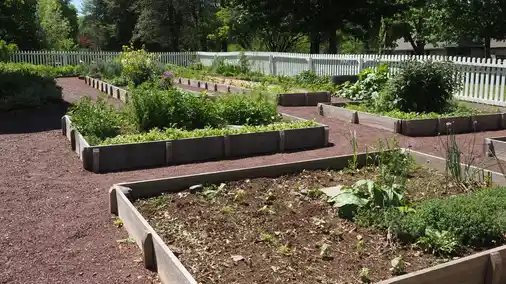
Measure the full bed, subtract every temporary protection zone, then add back any paths or strips you still want covered. This guide to How to Estimate…
-
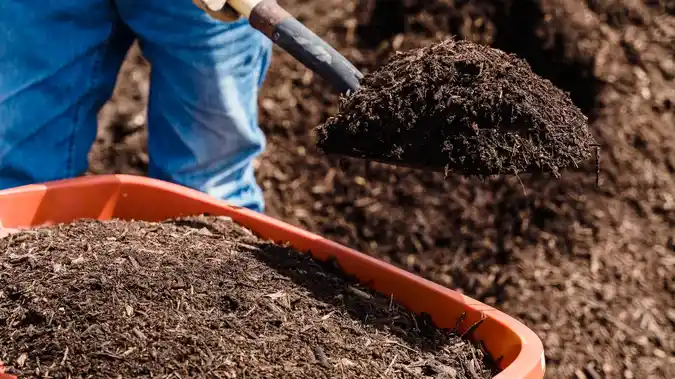
Estimate mulch for winter storage until spring by measuring the beds first, converting the total to cubic yards, and reserving a dry storage spot before…
-
How to Fix Mulch That Looks Patchy After Spreading: Patchy mulch after spreading usually means thin spots, uneven depth, or clumps are leaving the bed…
-
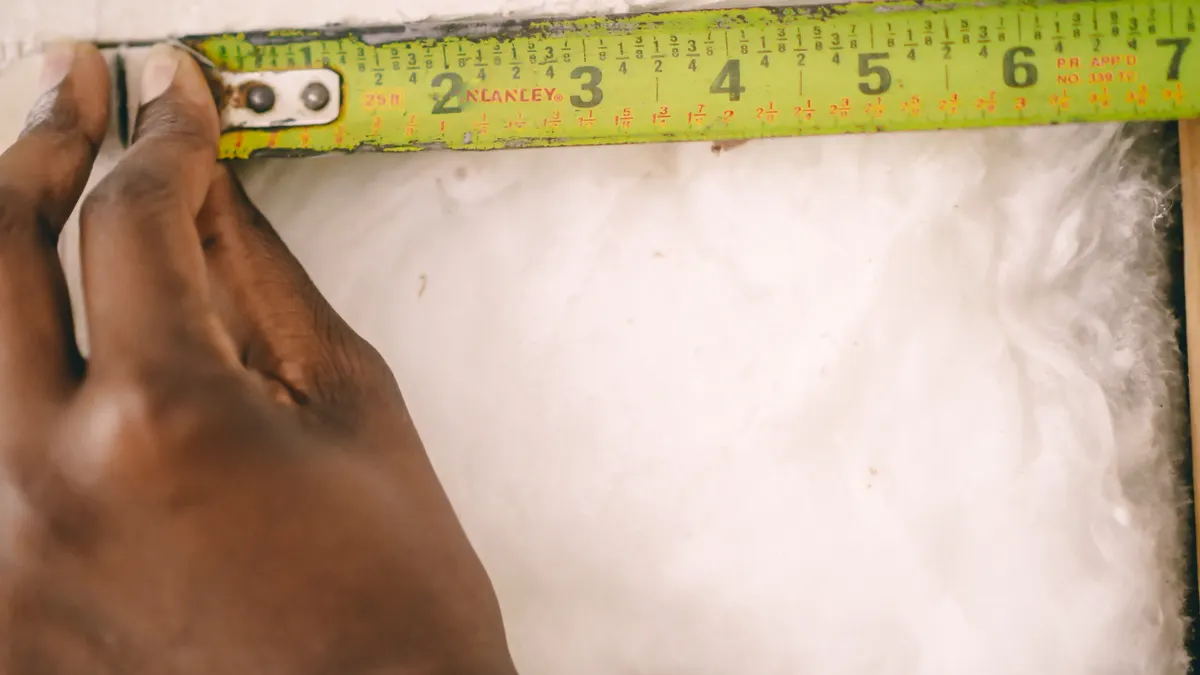
To estimate mulch for triangular beds, use area = 0.5 × base × height , then multiply by mulch depth in feet. A 14-foot base , 9-foot height , and 3-inch…
-
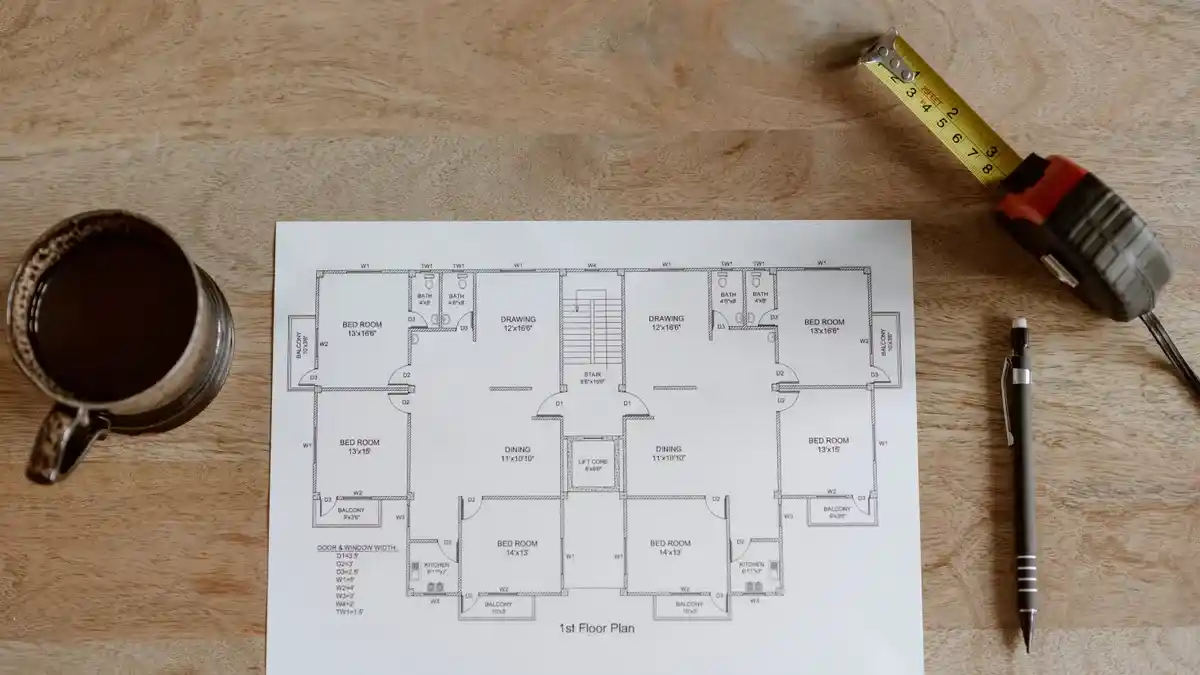
For a 3-inch mulch depth, 1 acre needs about 403.3 cubic yards , and 800 square yards needs about 66.7 cubic yards . This guide shows how How to Estimate…
-
How to Estimate Mulch for Beds with Multiple Disconnected Sections: Multiple disconnected garden bed sections should be estimated separately, then added…
-
Mulch delivery, haul, and storage decisions — The Complete Guide: For most jobs, choose bulk mulch if you need about 3 cubic yards or more, and choose…